US Develops AI-Designed Aires Tide Flight-Test Vehicle in Five Months
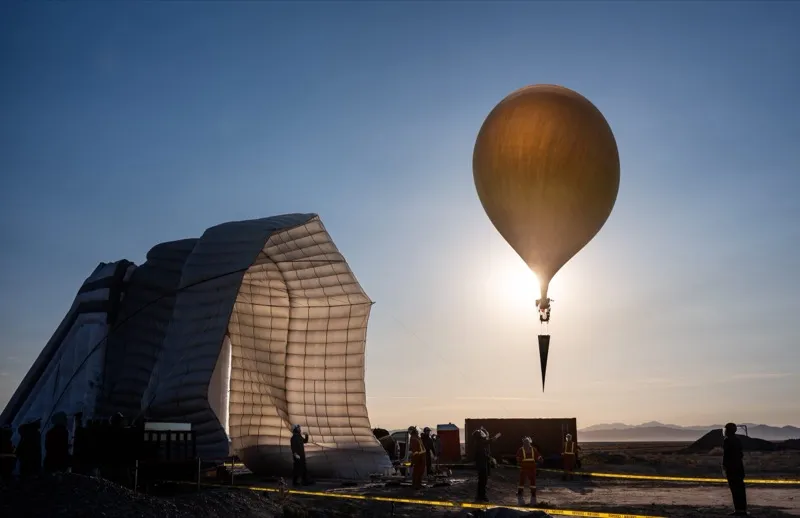
US engineers have designed, manufactured and flight-tested the Aires Tide technology demonstrator in only five months, compared with an estimated two-year timeline using conventional development methods. Led by the National Nuclear Security Administration, the project brought together Sandia, Los Alamos and Lawrence Livermore national laboratories with the Kansas City National Security Campus. The vehicle is intended to collect thermal and vibration data representative of the conditions experienced by strategic re-entry systems during high-speed atmospheric flight.
Aires Tide was developed as the first demonstration under the US Department of Energy’s Genesis Mission, which integrates national-laboratory supercomputers with AI-enabled engineering tools. Engineers used artificial intelligence to optimise the internal configuration, sensor placement, power architecture and structural response to thermal and mechanical loads. The design process was supported by the Venado and El Capitan supercomputers, while additive manufacturing enabled the 3.4-metre Inconel fuselage to be produced as seven nested sections in less than six days.

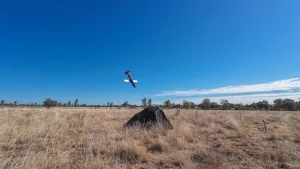
Several prototypes and scaled vehicles were manufactured and tested during the programme, culminating in drop trials at the US Army Dugway Proving Ground in May 2026. A half-scale vehicle was released from approximately 32,000 ft to gather high-speed flight data for future design refinement. According to Sandia, the combined use of AI, high-performance computing and additive manufacturing reduced costs by a factor of 15 and demonstrated a faster development model for future aerospace and national-security test systems.
Share this content:





Post Comment